Can Static Electricity Damage a TV? What Actually Happens
Yes. Static electricity can damage a TV, but only when a real discharge finds its way to the sensitive silicon inside. A little zap off your finger in winter is usually harmless to the picture. A direct hit to an exposed board pin is a different story.

Last updated: August 13, 2026. Rewrote as a verdict-first guide, added a risk decision tree, real ESD voltage numbers, an FAQ, and internal links.
So the honest answer to “can static electricity damage a TV” sits in the middle. The glass and the plastic shell shrug off a spark. The chips behind them do not. In my experience on the bench, I’ve killed a scaler board myself with one careless touch to a ribbon connector on a dry January afternoon. That is the risk we are talking about. It stung. I’ve grounded myself religiously ever since.
Can Static Electricity Damage a TV Through the Screen?
Touch a charged doorknob and you feel a snap. That spark can carry 3,000 to 15,000 volts. Sounds terrifying. Here is the catch: the fleeting current behind that jolt measures in fractions of an amp for a few billionths of a second, so the total energy dumped into your fingertip stays vanishingly small. Your skin barely notices past the pinch.
A modern LCD, LED, or OLED panel is a sealed unit. The front glass, the polarizer, and the case all sit between your finger and the driver electronics. So a static pop against the screen almost never reaches anything it can hurt. The panel is not a doorway.
The real damage path is different. It runs through the ports, the vents, and any board a repair tech exposes. That is where static electricity can damage a TV for good.
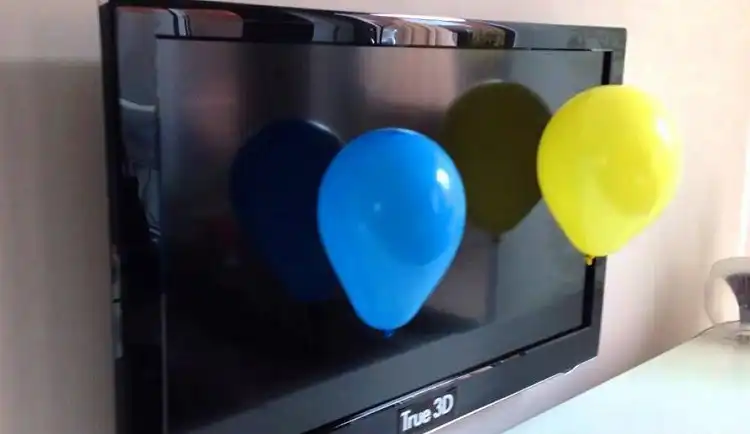
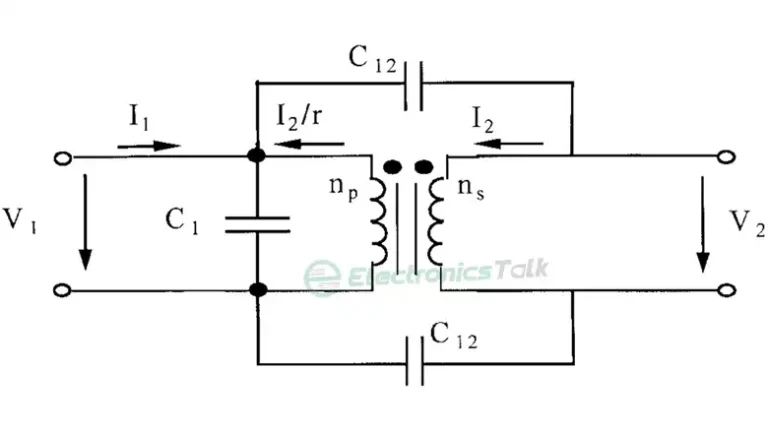
Figure: Static electricity on TV
The Chips Care, the Glass Does Not
Microchips inside a TV run on 1 to 5 volts. Their gate oxides measure only nanometers thick. Hit one of those pins with a few thousand volts and the insulation punches straight through, leaving a pinhole short that either kills the transistor outright or quietly weakens it so the part degrades over the following weeks until the picture drops out with no warning at all. Two outcomes, then. Instant death, or a slow fade. Engineers call that second kind a latent failure. It is the sneaky one.
For scale: some CMOS inputs start taking damage around 100 volts of electrostatic discharge. You cannot feel a zap that small. You need about 3,000 volts before your nerves register the snap. So a discharge can wreck a chip long before you notice it happened.
When Is Your TV Actually at Risk?
Use this quick branch to judge your own situation. Most people are in the first case and can relax.
- If the TV is assembled, cased, and plugged in. You are fine. Static off your body cannot reach the boards through the shell. Watch, dust, and touch the screen freely.
- If the air is bone dry and you drag a fleece blanket across the set daily. The risk stays low, but ground yourself before touching the ports or the cables behind the panel. A humidifier helps.
- If you opened the back to swap a board, clean a fan, or reseat a ribbon cable. Now the risk is real. Bare pins and connectors sit exposed. This is ESD territory.
- If you are holding a loose main board, T-CON, or power supply outside the chassis. Treat it like live ammunition. One ungrounded touch can end it.
That last case is where I’ve seen the most dead hardware. Not from lightning. Not from surges. From a hand. Every dead board I’ve traced back to static came from an open chassis, never from a closed set sitting on a stand.
The Four Ways a Discharge Hurts Electronics
When a discharge does reach the guts of a set, it shows up in four ways:
- Electrostatic discharge (ESD). A sudden high-energy dump into a chip pin. Microchips, transistors, and integrated circuits take the worst of it. See what a bad voltage event does to a single part in my note on what happens when you reverse polarity on a transistor.
- Component stress. A voltage spike past a part’s rating punishes capacitors, resistors, and diodes. The part may not die, just drift out of spec.
- Data corruption. A surge near a smart TV’s storage can scramble flash memory. You get boot loops, missing apps, or a bricked set.
- Board damage. A discharge can burn the fine traces and solder joints on a PCB. Fix that and you are into microscope-and-hot-air territory, the same care I use so soldering does not damage a diode during a repair.
How Do I Protect My TV From Static Electricity?
Protection is mostly common sense plus a few habits. Here is my short list.
1. Ground the TV Properly
Plug the set into a three-prong grounded outlet. That ground pin gives stray charge a path to earth instead of through your electronics. If your outlet is a two-prong relic, get it updated. Do not defeat the ground pin with a cheater plug.
2. Fight Dry Air
Static builds fast when humidity drops below about 30 percent. Winter heating does exactly that. Walking across a carpet on a dry day can charge your body to 35,000 volts, according to OSHA’s ESD guidance. A cheap humidifier that holds a room near 40 to 50 percent relative humidity cuts that buildup hard. I run one in my shop all winter and my zap count drops to almost nothing.
3. Use a Surge Protector
Static from your body is one thing. A power surge on the mains is another, and it is the bigger killer for a plugged-in TV. A decent surge protector clamps those spikes. If you route the picture through extra gear, keep that on the protected strip too, like a digital converter box for over-the-air channels.
4. Ground Yourself Before You Open Anything
This is the big one for repairs. Before you touch a board:
- Unplug the TV and wait a minute.
- Touch a bare metal ground, like a grounded chassis or a cold water pipe.
- Better, wear an antistatic wrist strap clipped to ground.
- Handle boards by the edges, never the connector pins.
Do this and the odds of a static kill drop to near zero. Skip it on a dry day and you are gambling.
How Do I Get Rid of Static on My TV Screen?
Different problem. This is the dust-clinging, hair-standing static you see on the glass, not damage to the chips. Quick fix:
- Power off and unplug. Safety first, and a dark screen shows smudges better.
- Wipe with a dry microfiber cloth. Circular motion, light pressure. No paper towels. No glass cleaner with ammonia.
- Damp, not wet. Lightly dampen the cloth with distilled water for stubborn film. Wring it out hard. Never spray liquid straight on the panel.
That is it. The screen stays clean and the static film goes away.
Frequently Asked Questions
Can static electricity damage a TV just by touching the screen?
No, almost never. The glass and case block the discharge from reaching the chips. Static electricity damages a TV only when a spark reaches exposed boards or ports, usually during a repair.
Does a television screen use static electricity to make a picture?
No. Old CRTs held a static charge on the tube face, but modern LCD, LED, and OLED panels run on driven electrical currents, not static charge. The picture has nothing to do with the static you feel.
Can a power surge cause static-related damage to a TV?
Yes, and a surge is the bigger threat. Mains spikes can hit a plugged-in set hard. A surge protector is cheap insurance for the whole entertainment setup.
Are plasma or OLED TVs more sensitive to static?
Plasma sets were more vulnerable than LCD or LED. Modern OLED panels are well shielded once cased, so a normal zap will not hurt them. The main board is still ESD-sensitive if you open the back.
How many volts of static does it take to hurt a chip?
Some sensitive CMOS parts start degrading around 100 volts of electrostatic discharge, per ESD industry data. You cannot feel a zap until roughly 3,000 volts, so damage can happen with no warning snap.
Should I unplug my TV during a lightning storm?
Yes, if you can. A surge protector helps, but a direct or near lightning strike can overwhelm one. Unplugging the set and the antenna cable is the only sure protection.
Related Reading
Bottom Line
Can static electricity damage a TV? Yes, but the everyday zap you feel in winter is not the enemy. The danger is a discharge into exposed boards, which mostly happens when someone opens the case without grounding. Keep the set cased, grounded, and on a surge protector, and static will never touch it. Only when you go inside do you need a wrist strap and a careful hand.