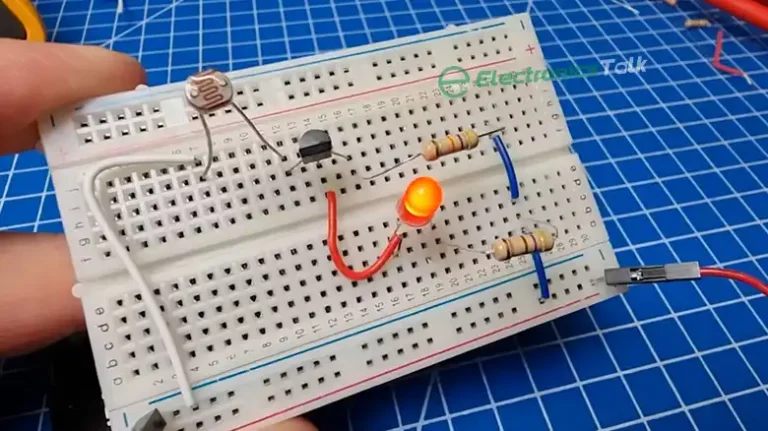
Can I Replace Fusible Resistor with Normal Resistor?
Can I replace fusible resistor with normal resistor? Usually no. A fusible resistor is a resistor that is built to burn open and choke off the current the instant a fault shoves too much power through it, which is a trick a plain part cannot do. An ordinary component gives you the same ohms, and nothing else. Swap it in and you keep the value while quietly binning the safety the engineer designed into that spot. It still measures fine. It ohms out perfect. Then the bad day arrives, the short that should have blown the element clear, and the plain stand-in just sits there passing amps until copper starts to smoke.
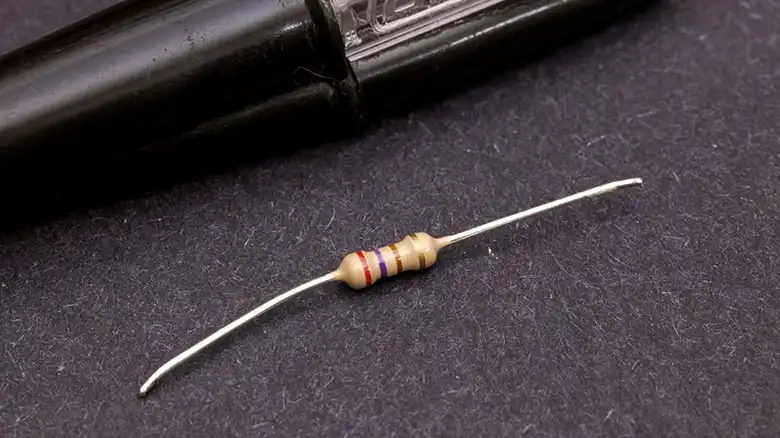
Last updated: August 13, 2026 — rewrote as a decision guide, added a spec table, a fusible-vs-normal FAQ, and safer substitute options.
Fusible Resistor vs Normal Resistor: What Actually Differs
Both parts set a resistance value. That is where the overlap stops. The fusible kind carries a second duty: it works as a sacrificial fuse, and when current climbs past a safe threshold its wire opens and the rail goes dead. An everyday component has no such escape hatch. Overload it and it might char, crack, or weld itself into a dead short, and honestly you do not get to pick which. Sometimes it fails open. Often it does not.
Here is the cheat sheet I keep in my head.
| Property | Fusible resistor | Normal resistor |
|---|---|---|
| Sets a resistance value | Yes, usually under 10 ohms | Yes, any value |
| Fails open on overload | Yes, by design | No, unpredictable |
| Doubles as a fuse | Yes | No |
| Typical tolerance | 5% | 1% to 10% |
| Rough cost each | $0.30 to $1 | A few cents |
Tolerance matters less than folks assume. A carbon-film element at 5% is plenty for guarding a rail. What your money buys is the tested, repeatable way the device dies under stress.
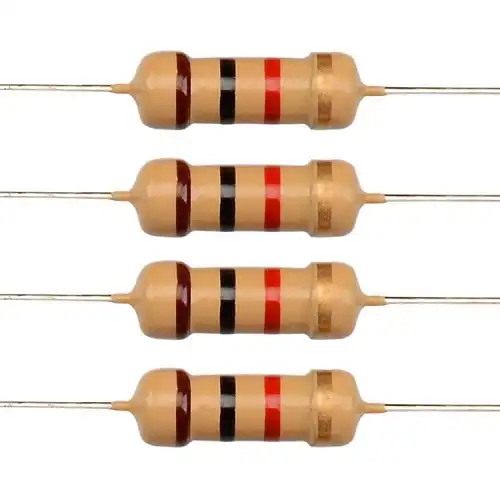
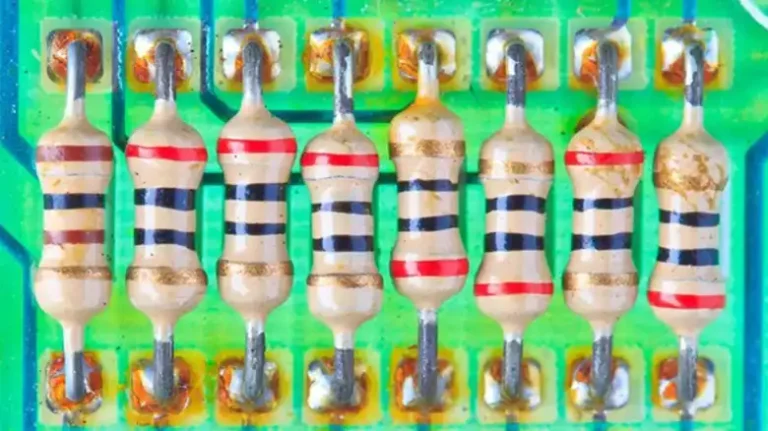
Figure: Regular Resistor
Can I Replace Fusible Resistor with Normal Resistor? Decide by Circuit
Run the branch logic before you reach for a substitute.
Mains input, a switch-mode supply, or any node where a short pulls huge current. Stop right there. Do not fit a plain part. This element is your last guard, a dead short here can yank tens of amps, and the fusible design is meant to snap open in under 2 seconds and starve that fault before anything downstream ignites. A generic component will pass that surge without complaint until something pricier lets go instead. Bad trade.
A low-value inrush or current-sense part on a low-voltage hobby board. Now you have wiggle room. A same-value stand-in of higher wattage can limp along as a stopgap, but only if you do it right and drop a real inline fuse just above the working load next to it. The generic device holds the ohms. The fuse restores the protection. Skip the fuse and the repair dies the next time that board faults.
You cannot read the original marking. Measure first. A cooked fusible part usually reads open, so grab the schematic or probe a sister board and match the value dead-on. Then equal or beat the wattage. A near-but-wrong value quietly nudges the bias in the rest of the stage, and those faults are miserable to chase.
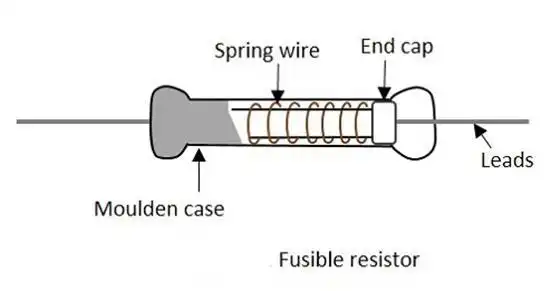
Figure: Fusible Resistor
Same puzzle shows up elsewhere. If you have ever asked whether a choke can be swapped for a resistor, the reasoning rhymes: the plain part passes the DC check and still flunks the real job.
Safer Substitutes That Keep the Protection
Want to keep the safety? Then skip the ordinary component entirely and grab something engineered to fail clean. My ranked picks:
- Thermal fuse plus a normal resistor. Cheap, dependable, and it hands you both the ohms and a hard cutoff at a set temperature.
- Resettable PTC fuse, the polyfuse. Trips on overcurrent, then heals once it cools. Great for prototypes that fault a lot.
- Anti-surge or fusible wirewound part. A tidy drop-in if you can source the matching rating.
- A glass or ceramic fuse in series. The old-school answer when the element was really pulling fuse duty.
To fit the swap cleanly, work in order:
- Read the dead part. Log its ohms, wattage, and any flame-proof or “F” stamp on the body.
- Hunt a true fusible or anti-surge match first. Fall back to a plain component only alongside a fuse.
- Match the wattage, then step up one notch. Original at 1 watt? Fit 2 watts.
- Mount it with a small air gap off the laminate so heat cannot scorch the board.
- Bring it up on a current-limited supply and stare at it for the first 10 seconds.
A healthy protective element can ride in a design for 10 years and never trip. That is the whole point. It waits for the single bad day.
How I Handle It on the Bench
Honest confession. When I meet a burned fusible part in a repair, substituting is not my first move at all. I hunt the reason it opened. Nine times in ten it took the hit for a shorted rectifier or a tired filter cap sitting downstream of it. Drop a fresh guard on an unfixed fault and you will pop the new one in seconds flat. In my experience the scorched element is the messenger, never the murderer. Kill the short. Match the part. Then test.
Chasing why the reading looked off in the first place? Remember that plain carbon resistors drift and degrade as they age and bake, so an old measurement rarely reflects the factory spec.
Frequently Asked Questions
Is it safe to use a normal resistor instead of a fusible resistor?
No, not as a lasting fix. The plain part holds the right ohms but will not open cleanly under fault current, so it strips out the overcurrent guard the circuit was built around.
What is the best substitute for a fusible resistor?
A thermal fuse paired with an ordinary resistor, or a resettable PTC, gives you both the resistance and a safe cutoff. An anti-surge fusible element of the same rating is the cleanest drop-in.
Will a normal resistor fail open like a fusible one?
Not reliably. It may char, crack, or short when overloaded. A few do open, yet that behavior is neither tested nor promised, which is exactly what the fusible design guarantees.
How do I identify a fusible resistor on a board?
Hunt for a low value, a flame-proof or “F” mark, and a cement or beige wirewound body. It usually squats right at the power input, close to the rectifier or the main filter cap.
Can I use a normal resistor as a quick test?
Yes, briefly, on a low-voltage bench through a current-limited supply. Add an inline fuse, watch it, and swap in a real fusible or anti-surge part before the unit ships back.
Related Reading
Bottom Line
Can I replace fusible resistor with normal resistor? Only if you accept the trade: you kept the ohms and dumped the safety. For any mains or high-energy node, fit a genuine fusible part, an anti-surge twin, or a plain component backed by a real fuse. Fix the fault that opened the first one before anything else. The resistance is trivial. The controlled failure is the entire reason the thing exists.
External reading worth a click: the fusible resistor overview at Elprocus, the resistor basics on Wikipedia, and vendor notes like the Vishay fusible wirewound datasheets. While you match parts, know that resistor values can wander over time in heat-stressed corners.