Why Is BJT More Noisy Than a MOSFET or FET? Explained
Why is BJT more noisy than a MOSFET? Because bipolar current carries shot noise from both electrons and holes. Here are the 6 noise sources and how to cut them.

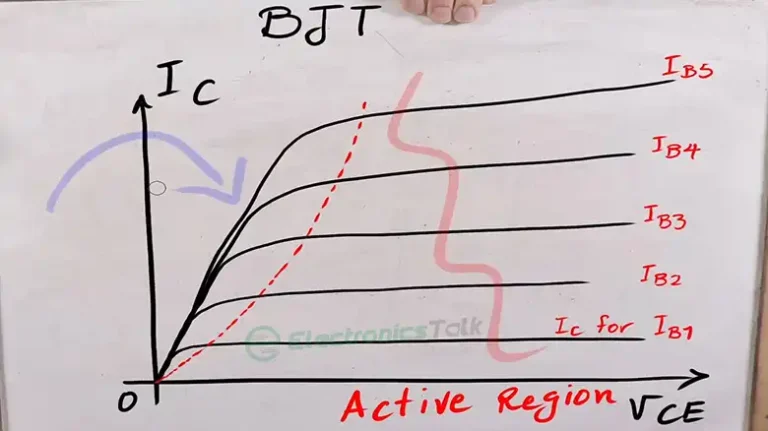
Why is BJT more noisy than a MOSFET? Because bipolar current carries shot noise from both electrons and holes. Here are the 6 noise sources and how to cut them.

Why is base current weaker than collector current in a BJT? Because the base is thin and lightly doped, so only 1 in 100 carriers stops there.
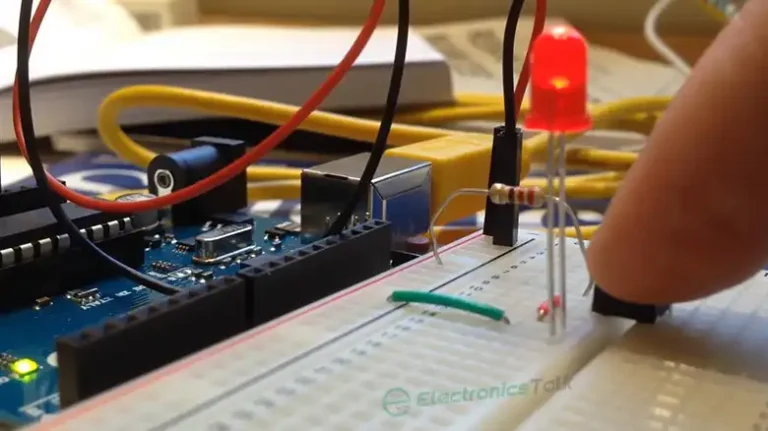
Is 220 ohm resistor enough for LED? Usually yes on 5V, where it holds about 13 mA, but it runs hot on 9V or 12V. Here is the math and a guide.
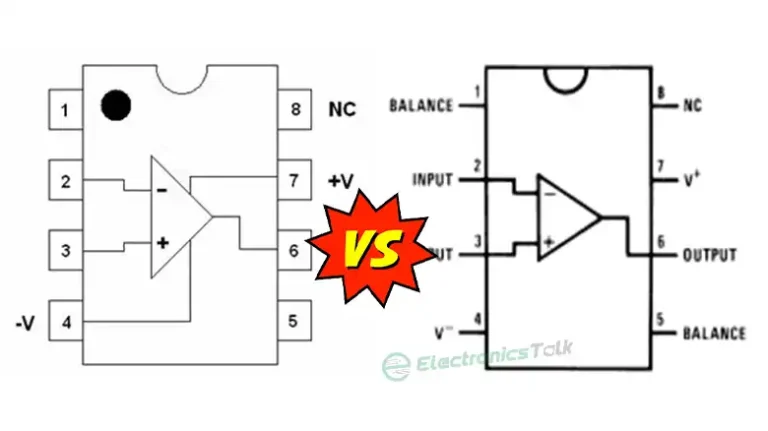
What is the difference between 741 and 411 op amp? The 411 uses a JFET input with about 30x the slew rate; the 741 is the classic bipolar workhorse.
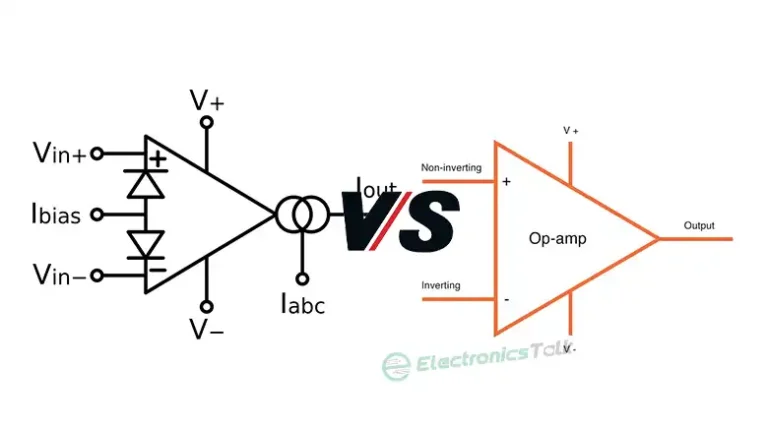
What is the difference between op amp and transconductance amplifier chips? Op-amp gives voltage out. OTA gives current out. Full head-to-head inside.
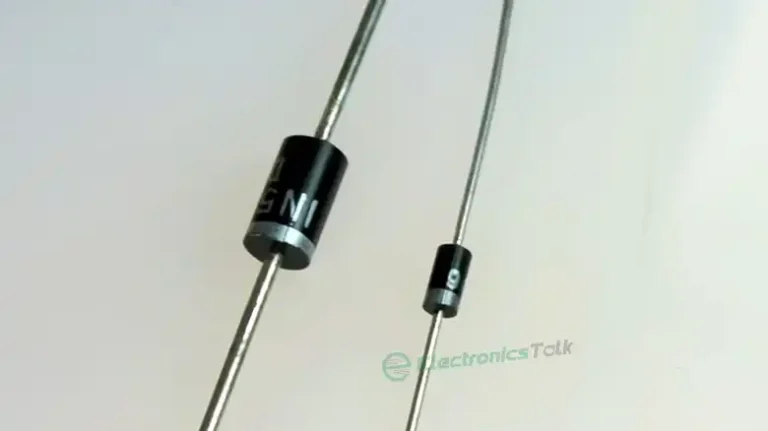
The difference between 1N4001 and 1N4003 is reverse voltage: the 1N4001 blocks 50V, the 1N4003 handles 200V. Here’s when to pick each diode.
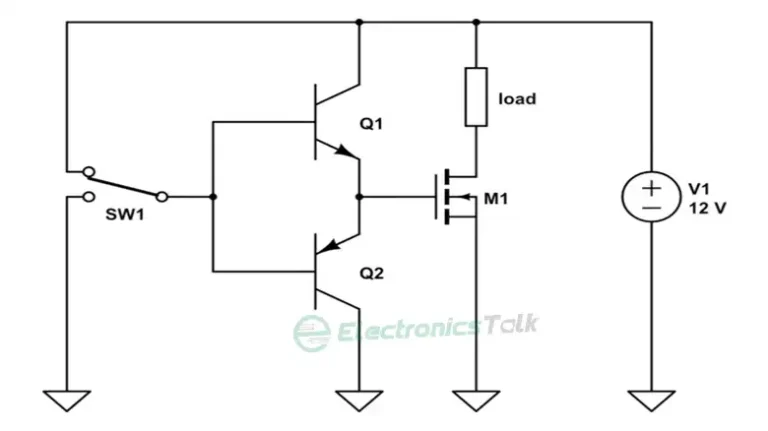
Want to know how to speed up MOSFET switching? I cover gate resistance, real drivers, gate charge, and the bench tricks that actually cut edge time.
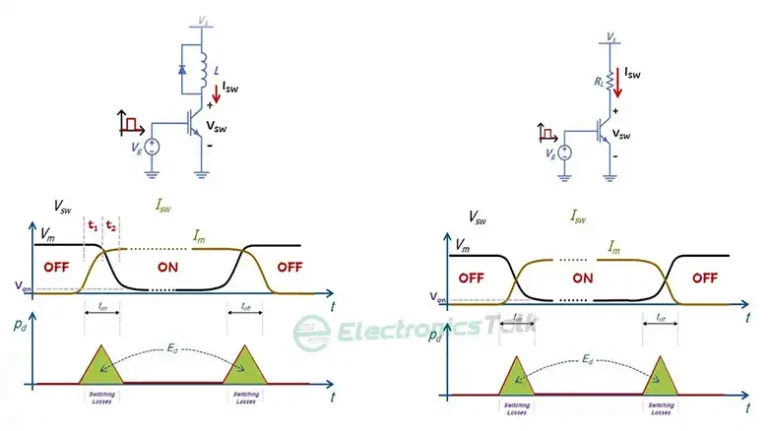
Do diodes have switching losses? Yes. Here is why the reverse recovery moment wastes power, how to measure it, and how to cut the loss on the bench.
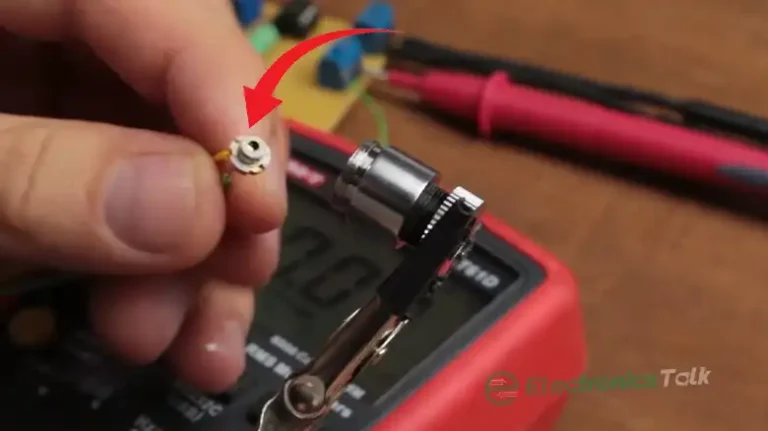
Do I need a resistor for a laser diode? Usually yes to cap current, but a plain resistor is a weak fix. See when it works and when to use a driver.
Can I use 1N4007 instead of 1N4003? Yes, in almost any low-frequency circuit. The 1N4007 blocks 1000V versus 200V but keeps the same 1A current rating.