How Is Winding Capacitance Measured? 4 Bench Methods
How is winding capacitance measured on real coils and transformers? Four bench methods: Schering bridge, impulse, resonance, and FRA, with the numbers to check.

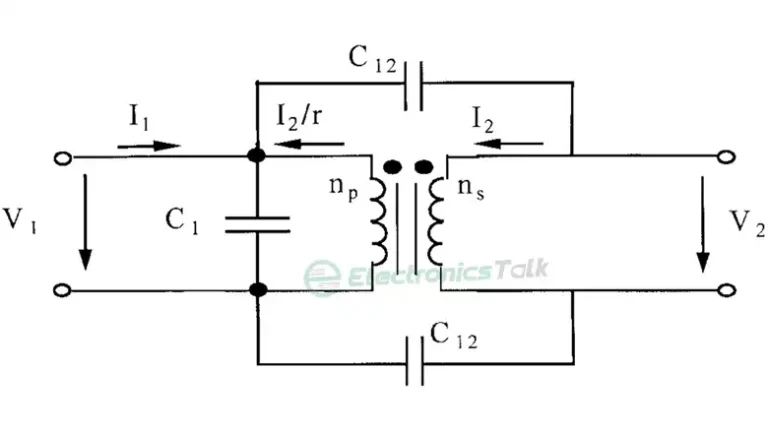
How is winding capacitance measured on real coils and transformers? Four bench methods: Schering bridge, impulse, resonance, and FRA, with the numbers to check.
Do carbon resistors go bad? Yes. They drift, overheat, and fail with age. Learn the warning signs, real lifespan numbers, and how to test one at the bench.
Can I use a resistor instead of a potentiometer? Usually no. A resistor is fixed and a pot adjusts. Here is when the swap works and when it breaks the circuit.
Do I need a resistor for a laser diode? Usually yes to cap current, but a plain resistor is a weak fix. See when it works and when to use a driver.
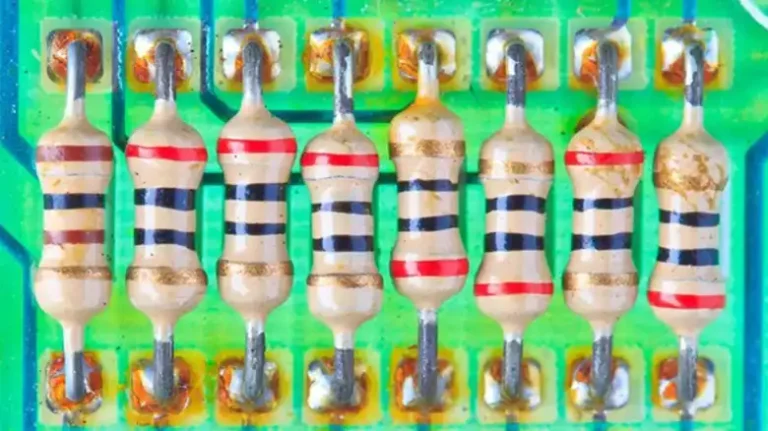
Can resistors change value over time? Yes, but slightly. Heat, humidity, and aging shift resistance from under 1% to a few percent over years.
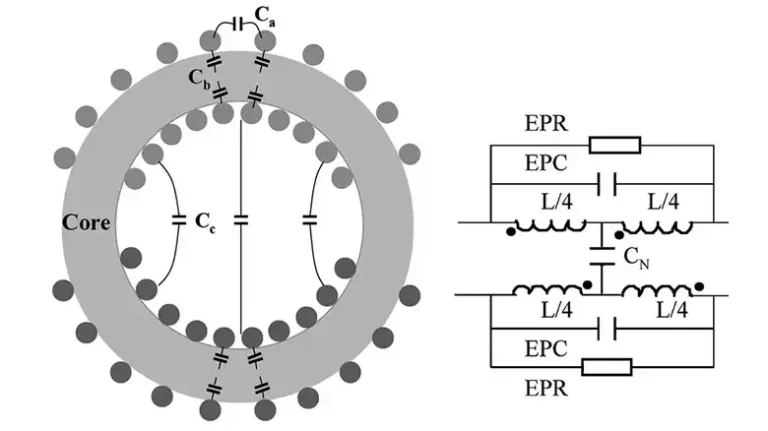
How do you reduce winding capacitance? Space the turns, drop the dielectric, add a screen, and shorten the wire. Six bench-tested fixes, ranked.
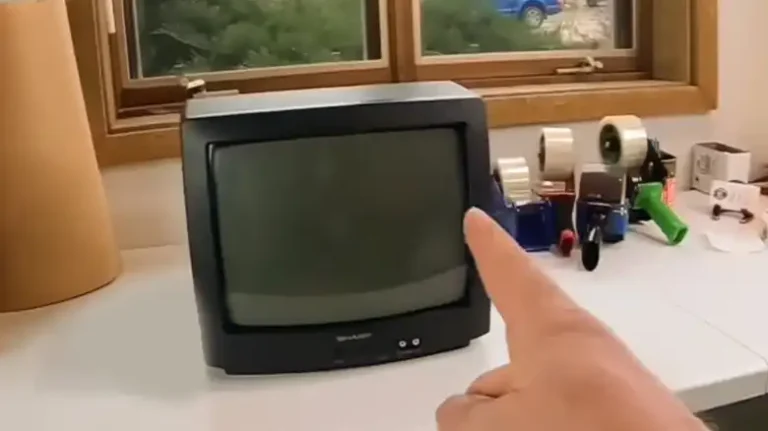
Can static electricity damage a TV? Yes, a strong ESD spike can hurt the boards inside. Here is when the risk is real and how I protect a set.

Can choke be replaced by resistor? Usually no. A choke blocks AC with almost zero power loss; a resistor burns it as heat. Here is the real verdict.
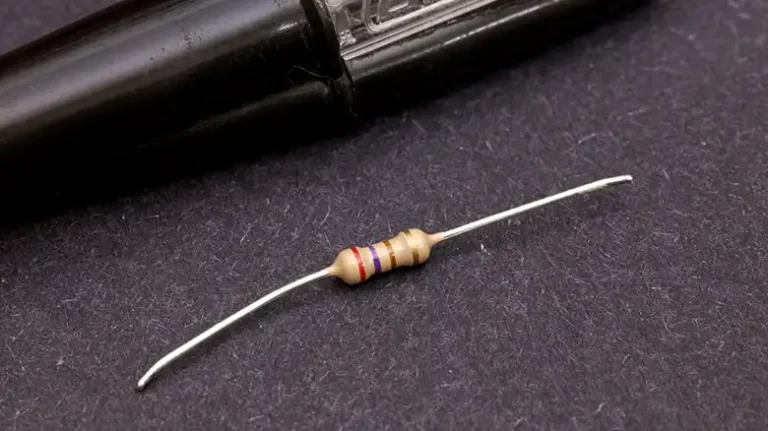
Can I replace fusible resistor with normal resistor? Usually no. A normal resistor keeps the ohms but drops the fuse safety, so use a safer swap instead.
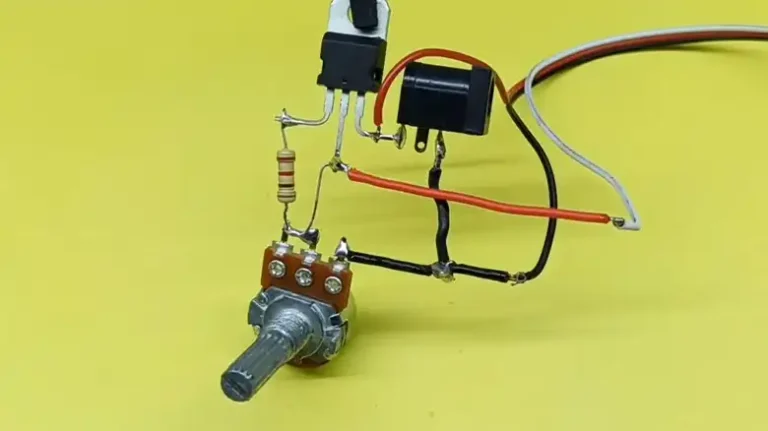
Can a potentiometer overheat? Yes, if it exceeds its power rating, carries too much current, or lacks airflow. Here are the causes and the bench fixes.