Do LED Resistors Get Hot? Why They Heat and How to Fix It
Do LED resistors get hot? Yes, the current-limiting resistor warms up as it burns off voltage. Here is how hot is normal and how to keep it cool.

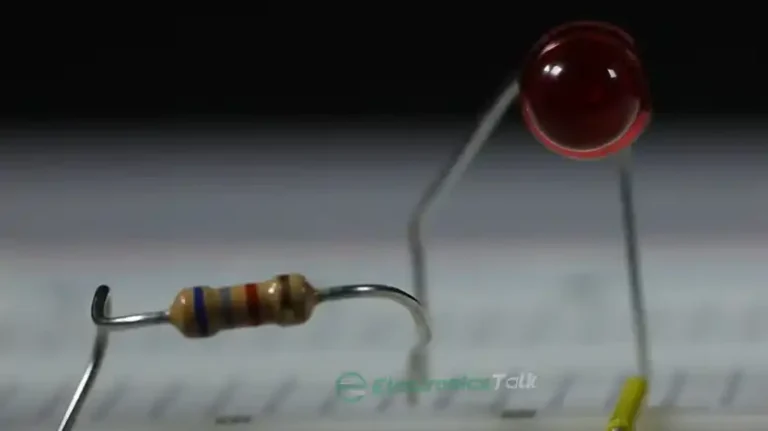
Do LED resistors get hot? Yes, the current-limiting resistor warms up as it burns off voltage. Here is how hot is normal and how to keep it cool.
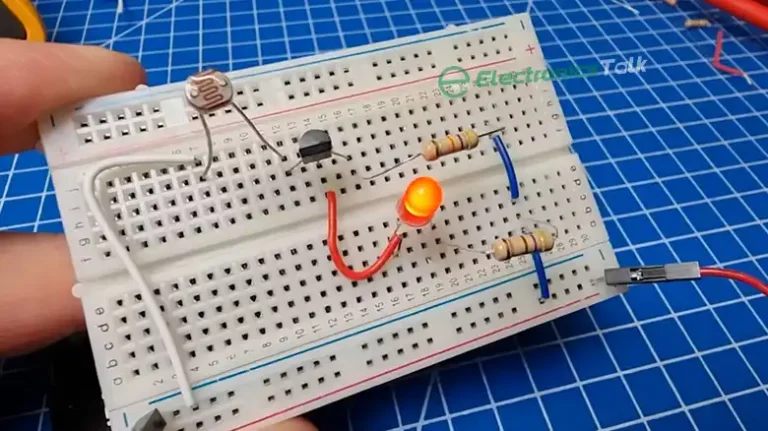
Do resistors have a max voltage? Yes, every resistor has a maximum working voltage tied to its power rating, size, and construction. Here is how to find it.
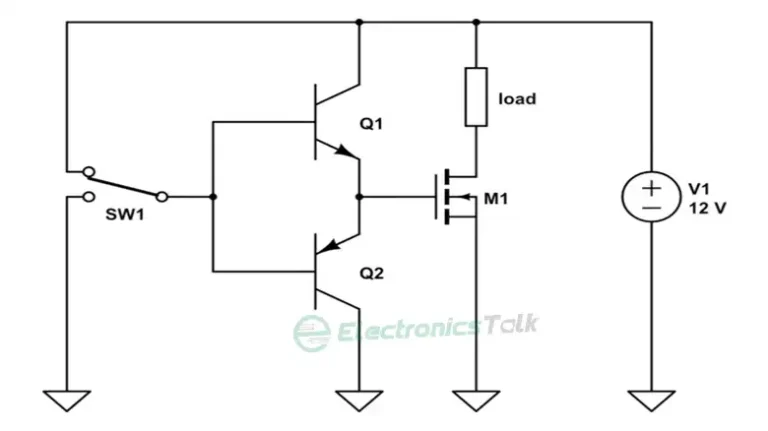
Want to know how to speed up MOSFET switching? I cover gate resistance, real drivers, gate charge, and the bench tricks that actually cut edge time.
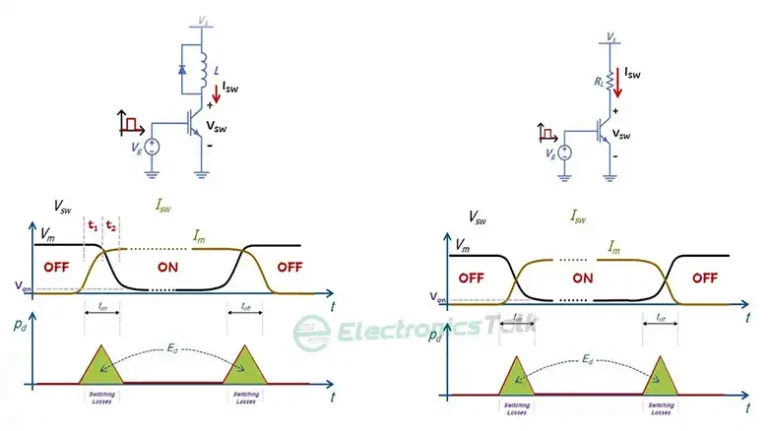
Do diodes have switching losses? Yes. Here is why the reverse recovery moment wastes power, how to measure it, and how to cut the loss on the bench.
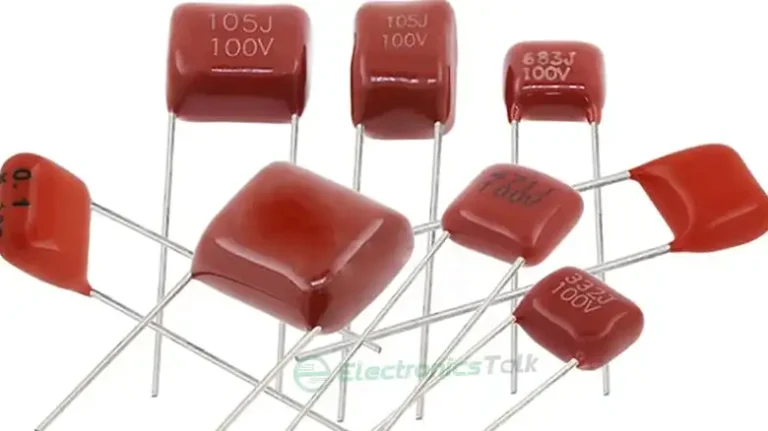
Does capacitance tolerance matter? Often yes, sometimes no. Learn when a capacitor’s tolerance changes your circuit and when you can safely ignore it.
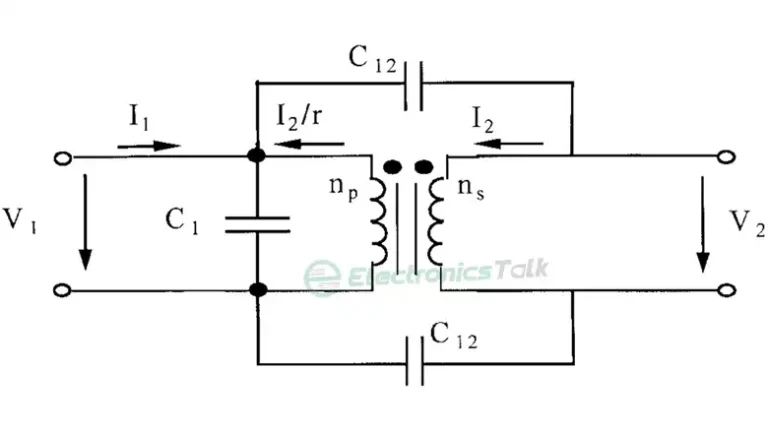
How is winding capacitance measured on real coils and transformers? Four bench methods: Schering bridge, impulse, resonance, and FRA, with the numbers to check.
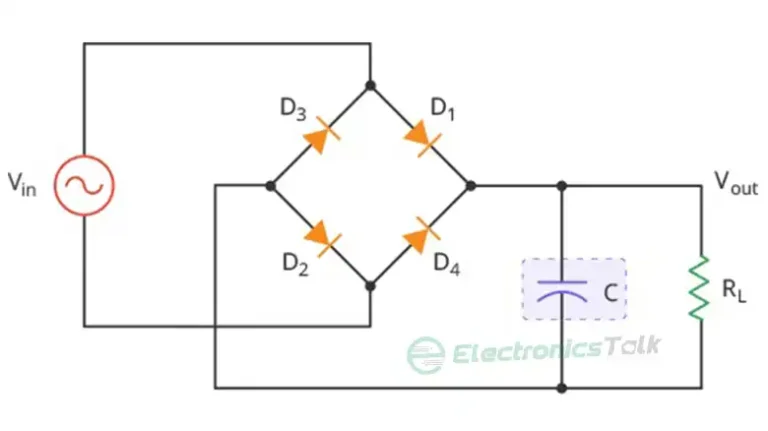
How do you convert 240V AC to 240V DC? Rectify the mains with diodes, smooth the pulses with a capacitor, then regulate the 339V peak down to a steady 240V DC.
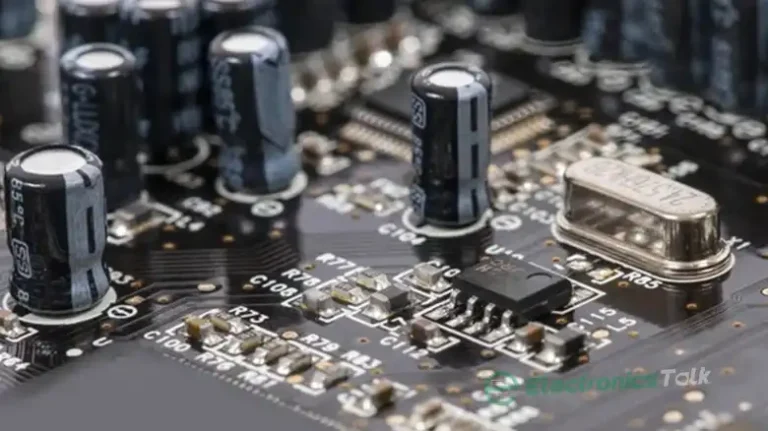
Do capacitors expire? Yes. Shelf life runs from about 2 years for electrolytics up to 30 for film. Learn what ages a capacitor and how to spot a dead one.
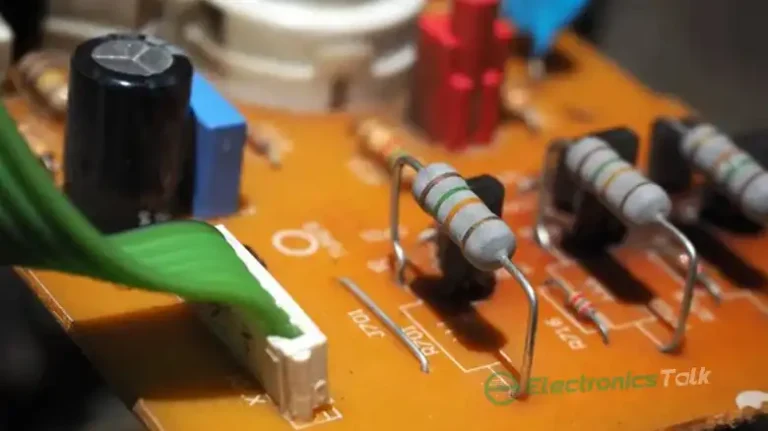
Do carbon resistors go bad? Yes. They drift, overheat, and fail with age. Learn the warning signs, real lifespan numbers, and how to test one at the bench.
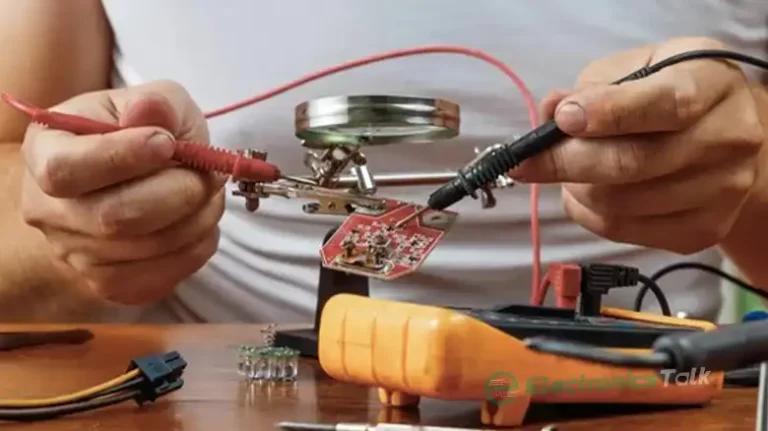
Can I use a resistor instead of a potentiometer? Usually no. A resistor is fixed and a pot adjusts. Here is when the swap works and when it breaks the circuit.