Do Capacitors Degrade if Not Used? Shelf Life Guide
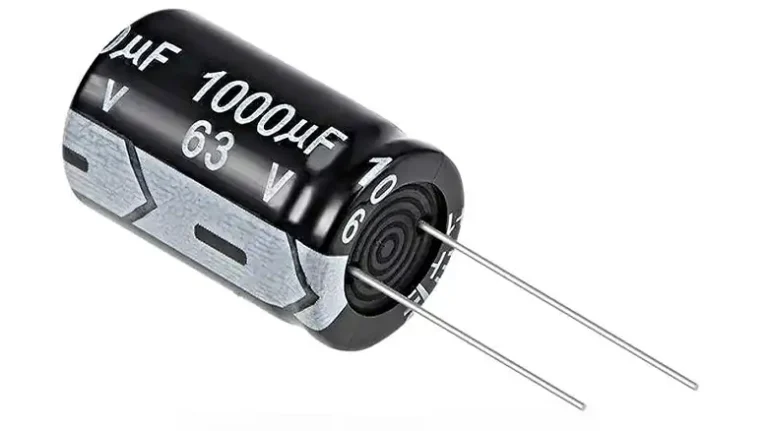
When people ask do capacitors degrade if not used, the honest answer is yes for one family and mostly no for the rest. An aluminum electrolytic capacitor is the fragile one. Leave it in a drawer and its electrolyte slowly evaporates, the oxide layer that blocks current weakens, and capacitance drifts down while ESR climbs. Shelf life for a fresh electrolytic runs about 2 years before a quick reforming step earns its keep. Ceramic and film caps? They barely notice a decade on the shelf.

Last updated: August 13, 2026. Rewrote the page to answer the storage question first, added a reforming procedure, a storage decision guide, and a full FAQ.
So, Do Capacitors Degrade if Not Used?
Short version: it depends on the dielectric. I keep a parts bin on the bench, and in my experience the pattern never changes. The electrolytics are the ones that let me down. The ceramics and films almost never do. The question do capacitors degrade if not used really comes down to which type you pulled out of the box.
Here is the split I work from:
- Aluminum electrolytic caps dry out. The wet electrolyte is the whole problem. Store them warm and they age fast.
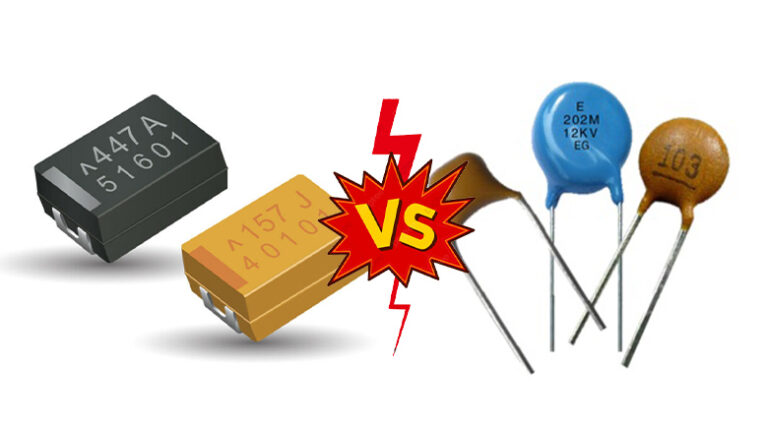
- Tantalum caps are more stable than aluminum, but the good ones still want a cool shelf.
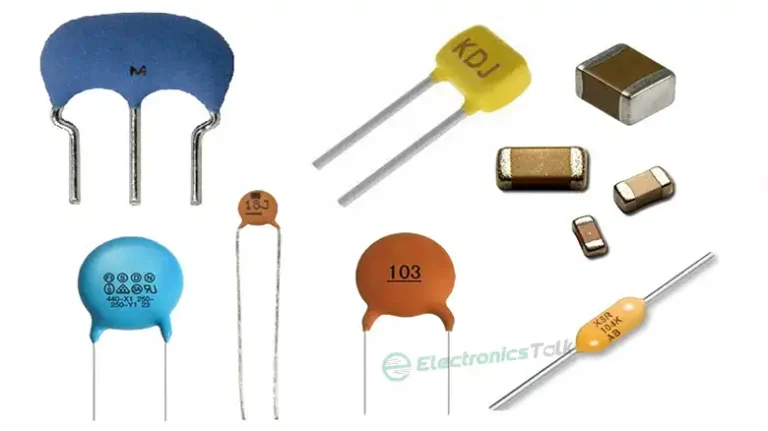
- Ceramic (MLCC) and film caps are the marathon runners. Twenty years in a bin and they still measure fine.
If you want the deeper timeline, I broke down the lifespan of electrolytics in a separate piece, and there is more on whether capacitors expire when they never see a circuit.
Why an Unused Electrolytic Goes Bad
The mechanism is simple. An electrolytic holds a liquid or paste electrolyte. That electrolyte keeps a thin aluminum oxide film healthy, and that film is what actually stores the charge. Two things happen on the shelf:
- The electrolyte evaporates. Even sealed, a little escapes through the rubber bung every year. Capacitance falls.
- The oxide layer thins. With no voltage across it, the oxide slowly dissolves back into the electrolyte. Leakage current rises.
Heat drives both. The Arrhenius rule of thumb says every 10°C rise roughly halves the storage life, and every 10°C drop doubles it. Store a cap near 85 percent of its temperature ceiling and you burn through those 2 years fast. Keep it cool and you stretch it.
When I tested 20-year-old electrolytics from a junk radio, they read 40 percent low on capacitance and ten times over on ESR. Dead weight. That is the failure this page is about.
What Actually Speeds Up the Damage
Temperature is the big one, but it does not act alone. Here is the short list of what shortens a sleeping capacitor’s life:
- Heat. The single largest factor. A hot attic is the worst storage spot you own.
- Humidity. Moisture creeps into the winding and drops insulation resistance. Aim for under 60 percent relative humidity.
- Mechanical stress. Vibration and shock fatigue the leads and crack seals.
- Pressure swings. Sealed caps can strain if the barometric pressure shifts hard, which matters if you store gear at altitude.
None of that touches a ceramic cap much. It all hammers an electrolytic.
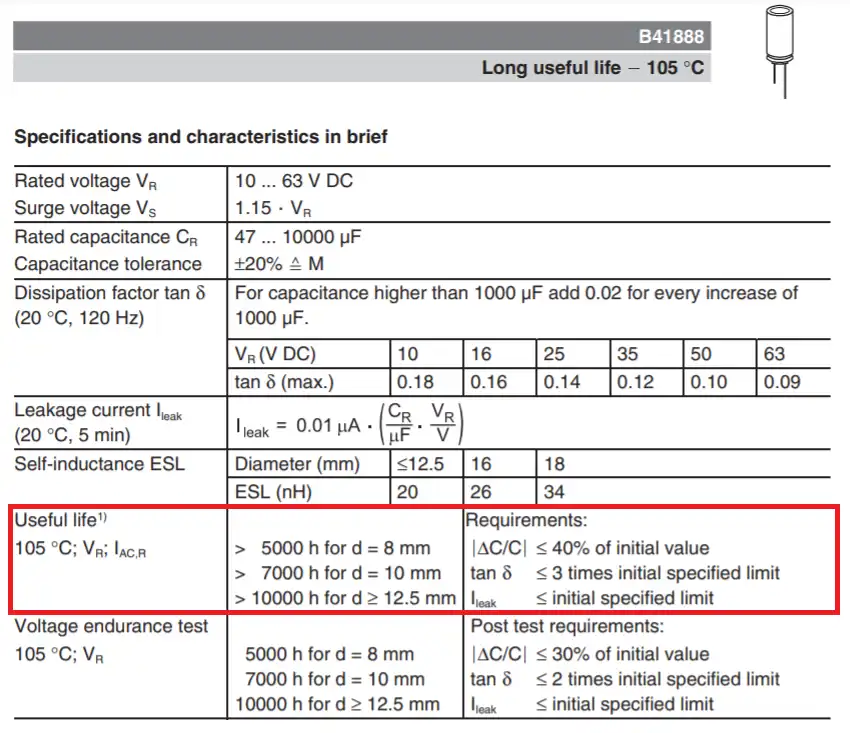
Figure 1: A B41888 datasheet showing rated life against temperature.
How to Store Capacitors So They Last
Here is the routine I use on the bench. It is not fussy.
- Keep them cool. A drawer at 20 to 25°C is fine. The fridge is overkill and adds condensation risk.
- Keep them dry. Toss a silica gel pack in the bin. Stay under 60 percent humidity.
- Leave the leads alone. Do not pre-bend or trim until you install the part.
- Reform old electrolytics before use. More on that next.
- Buy what you need. Do not stockpile electrolytics for five years. Hoard ceramics and films instead.
For a quick decision, keep it simple. If the cap is ceramic or film, just use it. If it is an electrolytic under 2 years old, use it. If it is an electrolytic older than 2 years, or you do not know its age, reform it first.
How Do You Reform a Shelved Electrolytic?
Reforming rebuilds the oxide layer by feeding the cap a gentle, current-limited voltage. It works. Here is the version I trust:
- Set a bench supply to the cap’s rated voltage.
- Put a resistor of about 1,000 ohms in series to limit the current.
- Connect it, mind the polarity, and watch the meter.
- Leave it 30 to 60 minutes. The current should taper toward near zero.
- If it never tapers, or the case gets warm, bin it. That one is gone.
I have brought plenty of 1980s caps back this way. Some return to spec. Some are dead. The taper tells you which.
One Trick to Make Caps Last Longer in Circuit
This one is about use, not storage, but people always ask. Run the capacitor below its voltage rating. The most conservative estimate is that at 50 percent of rated voltage, service life doubles. A 25V cap on a 12V rail will outlive the same part run near its ceiling. It is the cheapest reliability upgrade you can make. If you are unsure how much margin you need, does capacitance tolerance matter walks through the numbers, and what the shelf life really means covers the storage side.
Frequently Asked Questions
Do capacitors degrade if not used on a shelf?
Yes, but mainly electrolytics suffer. Their electrolyte evaporates and the oxide layer thins over about 2 years. Ceramic and film caps stay stable for decades.
How long can you store an electrolytic capacitor?
About 2 years is the common figure before reforming is worth doing. Cool, dry storage stretches that. A hot attic cuts it in half.
Can a degraded capacitor be fixed?
Sometimes. Reforming a shelved electrolytic with a current-limited supply can rebuild the oxide layer. If the current never tapers or the case gets warm, it is finished.
Do ceramic capacitors go bad in storage?
Barely. Ceramic and film types hold their value for 20 years or more on a shelf. They are the safe parts to stockpile.
Is it safe to use an old capacitor without testing?
Not for electrolytics. An old one can read 40 percent low or short out. Measure capacitance and ESR, or reform it, before you trust it in a power supply.
Does storing capacitors in the fridge help?
No, skip it. Room temperature in a dry drawer beats the fridge, which invites condensation when you pull the part out.
Bottom Line
Do capacitors degrade if not used? Yes for aluminum electrolytics, which dry out over about 2 years, and effectively no for ceramic and film types. Store them cool and dry, reform anything older than 2 years before you trust it, and run every cap below its voltage rating. Do that and an unused capacitor will still be good when you finally need it.