Will Capacitor Drain My Battery? Facts Explained
Will capacitor drain my battery? No, not in normal use. A charged capacitor blocks DC and leaks only microamps. Here is when it actually pulls current.

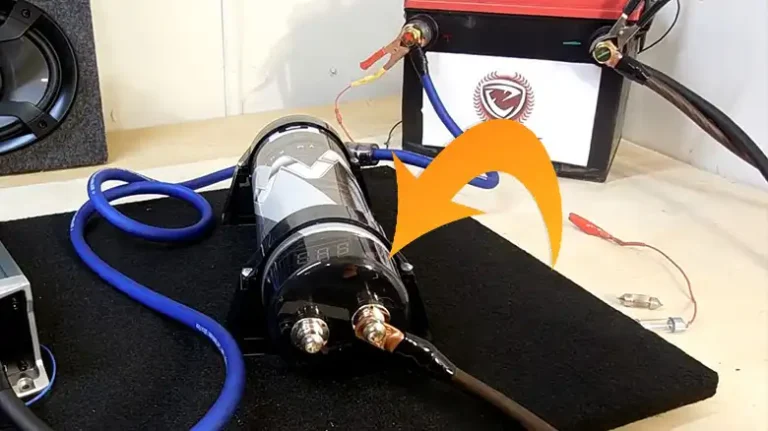
Will capacitor drain my battery? No, not in normal use. A charged capacitor blocks DC and leaks only microamps. Here is when it actually pulls current.
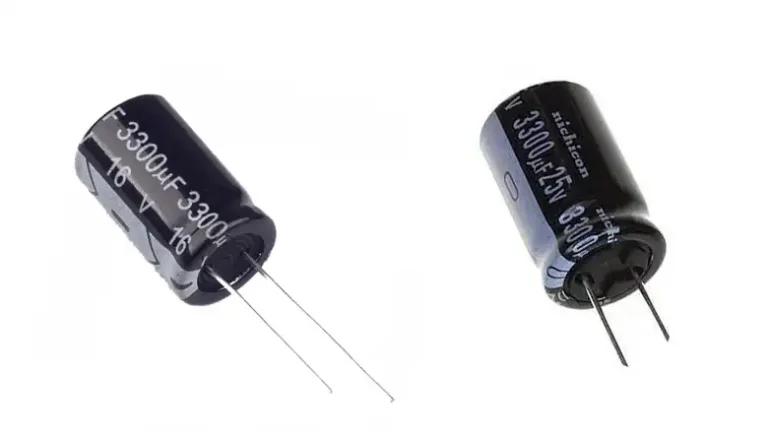
Yes, you can replace a 16V capacitor with a 25V one as long as the µF matches. Higher voltage is safe headroom. Here is when it works and the one thing to check.
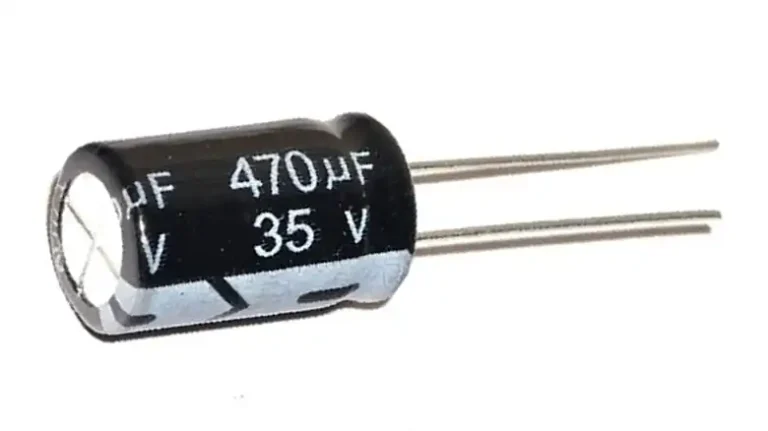
Can I use 25V capacitor instead of 35V? Usually no. The 25V part has less voltage headroom and can fail early. Here is when a swap is safe.
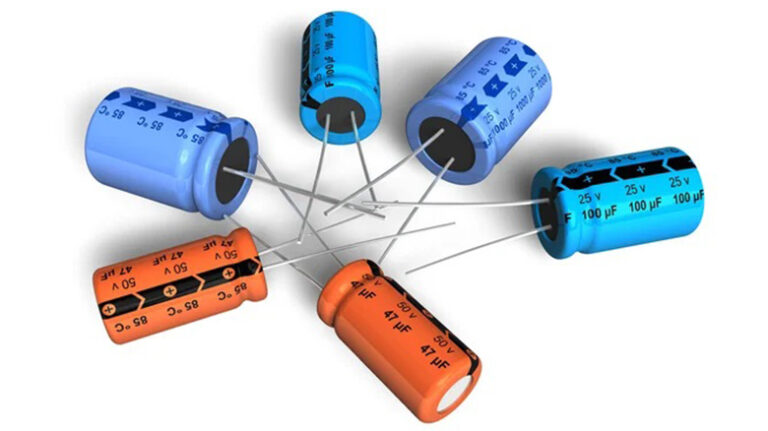
The peak voltage across the 4.0μF capacitor equals 1.414 times the RMS voltage. See the formula, a worked 120V example, and why the rating matters.
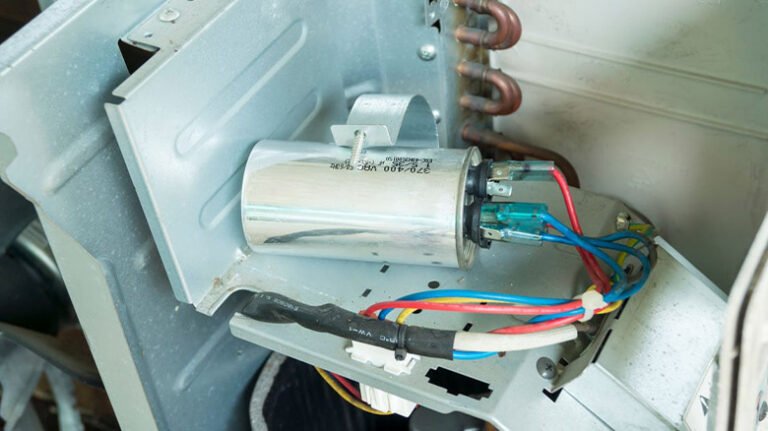
Using the wrong size capacitor is safe or dangerous depending on which spec is wrong. Wrong voltage can explode; wrong µF hurts performance. Full breakdown here.
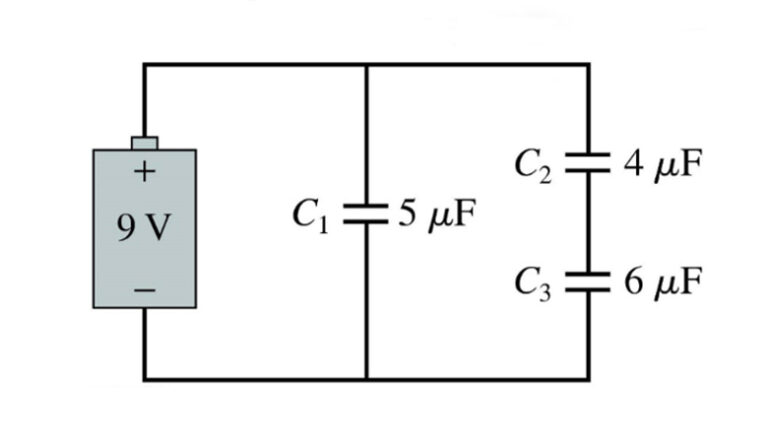
What is the potential difference across each capacitor? In series each holds Q/C volts; in parallel they share one voltage. Formula plus a worked example.
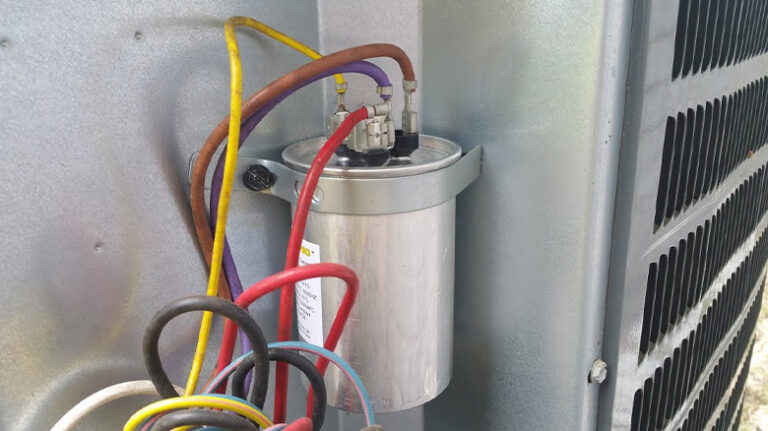
An AC capacitor keeps blowing when overvoltage, heat, a wrong voltage rating, or a dragging motor overloads it. Here are the real causes, signs, and fixes.
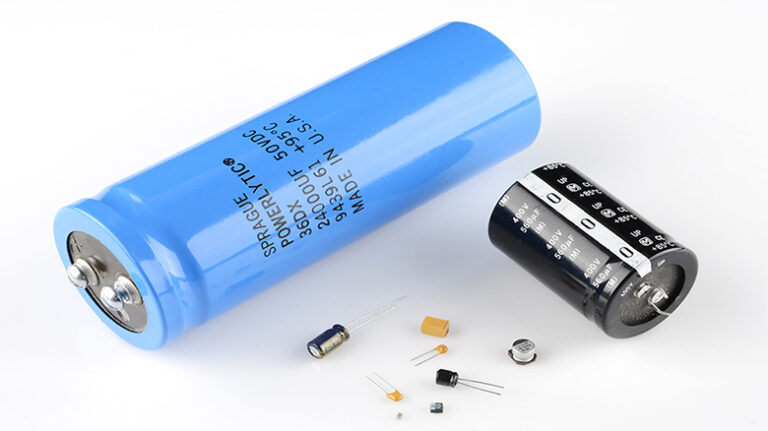
The standard lead spacing for capacitors is 5mm for small film radial types, with 2.5, 7.5, 10 and 15mm pitches also common. Here is the full guide.
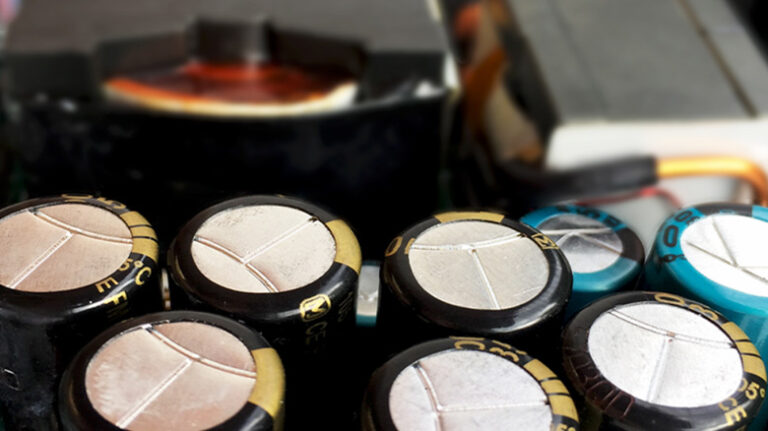
How long do electrolytic capacitors last? Most run 1,000 to 10,000 hours, and every 10 C drop roughly doubles the lifespan. Full breakdown here.
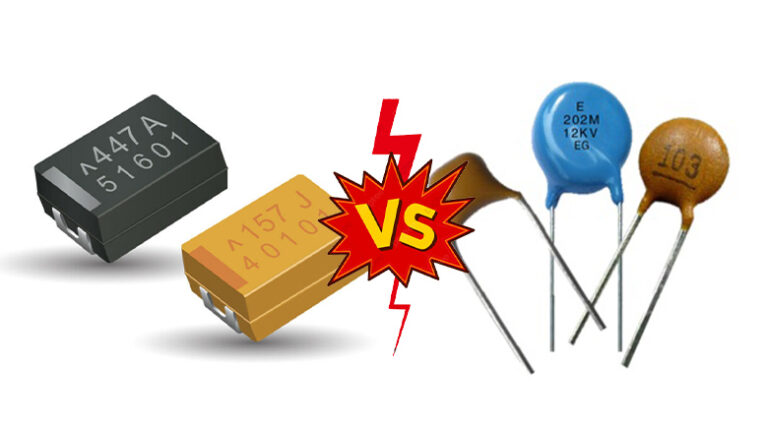
Tantalum vs ceramic capacitor: ceramic wins for decoupling and cost, tantalum wins for stable bulk capacitance and low-frequency filtering. Pick by the job.