What Is the Difference Between Diode 1N4001 and 1N4004
What is the difference between diode 1N4001 and 1N4004? Both pass 1A, but the 1N4001 blocks just 50V while the 1N4004 handles 400V reverse voltage.


What is the difference between diode 1N4001 and 1N4004? Both pass 1A, but the 1N4001 blocks just 50V while the 1N4004 handles 400V reverse voltage.
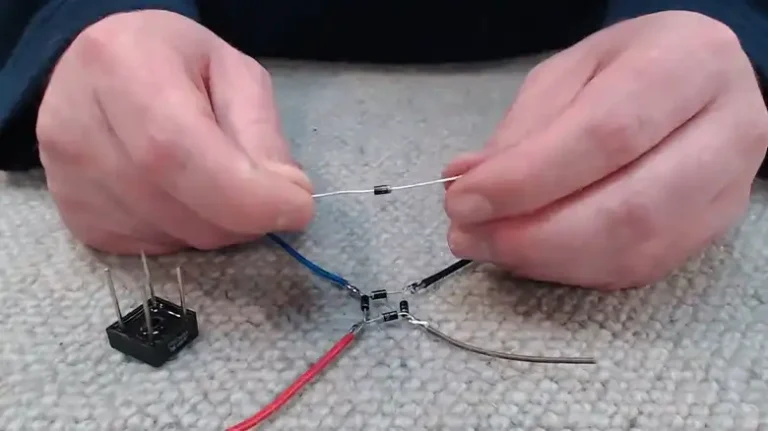
Can I use 1N4004 instead of 1N4001? Yes, in nearly any circuit under 50V. The 1N4004 blocks 8x more reverse voltage, so it drops in as a safe upgrade.
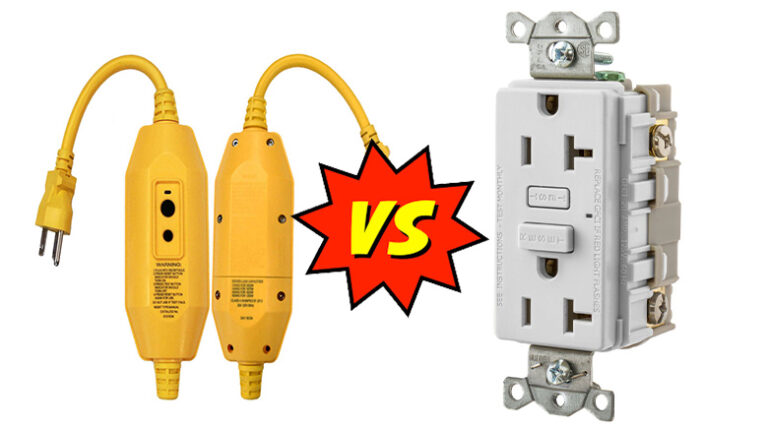
Line vs load GFCI wiring trips people up: line terminals bring power in from the breaker, load terminals send it downstream. Here is the plain difference.
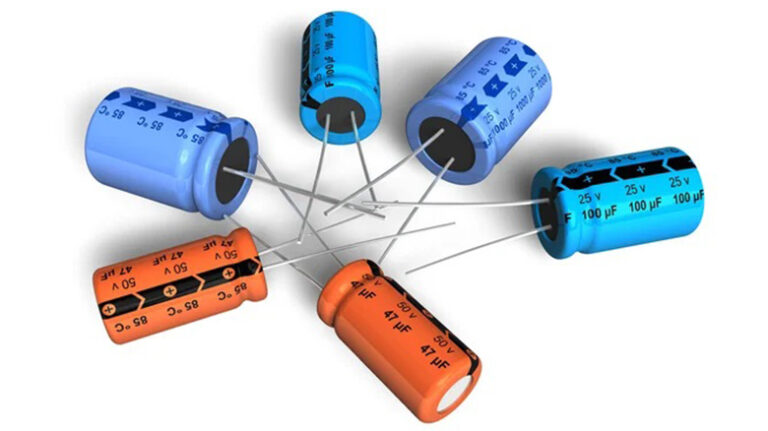
The peak voltage across the 4.0μF capacitor equals 1.414 times the RMS voltage. See the formula, a worked 120V example, and why the rating matters.
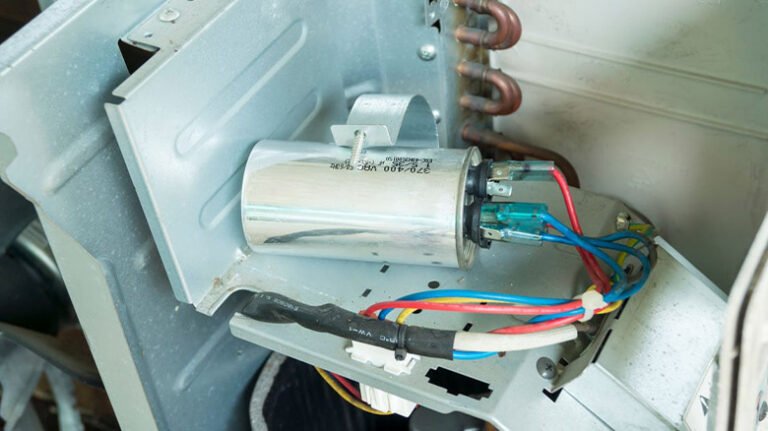
Using the wrong size capacitor is safe or dangerous depending on which spec is wrong. Wrong voltage can explode; wrong µF hurts performance. Full breakdown here.
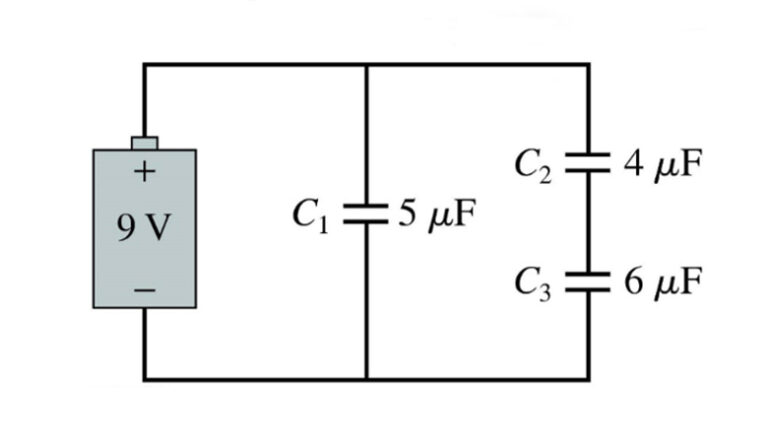
What is the potential difference across each capacitor? In series each holds Q/C volts; in parallel they share one voltage. Formula plus a worked example.
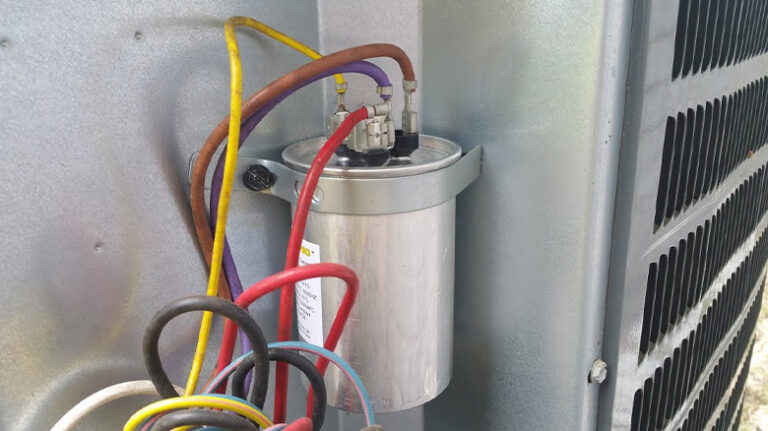
An AC capacitor keeps blowing when overvoltage, heat, a wrong voltage rating, or a dragging motor overloads it. Here are the real causes, signs, and fixes.
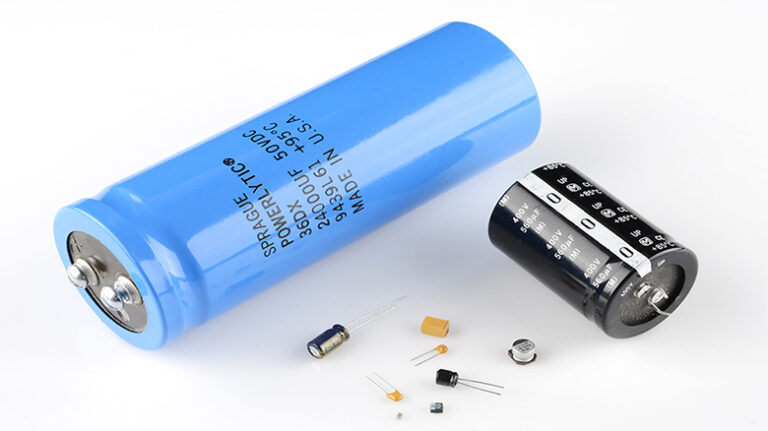
The standard lead spacing for capacitors is 5mm for small film radial types, with 2.5, 7.5, 10 and 15mm pitches also common. Here is the full guide.
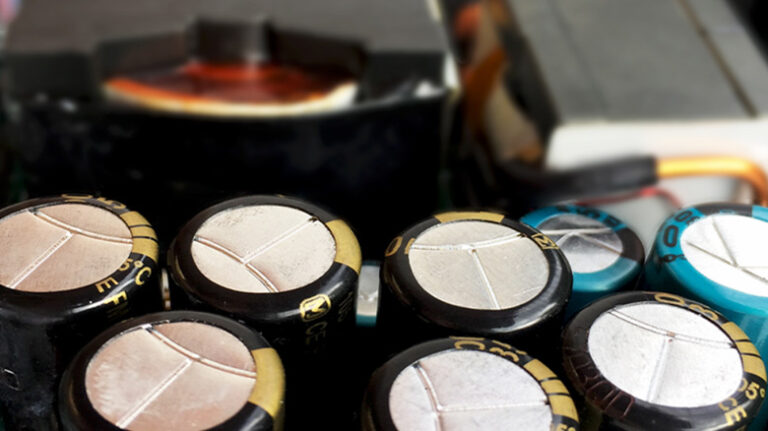
How long do electrolytic capacitors last? Most run 1,000 to 10,000 hours, and every 10 C drop roughly doubles the lifespan. Full breakdown here.
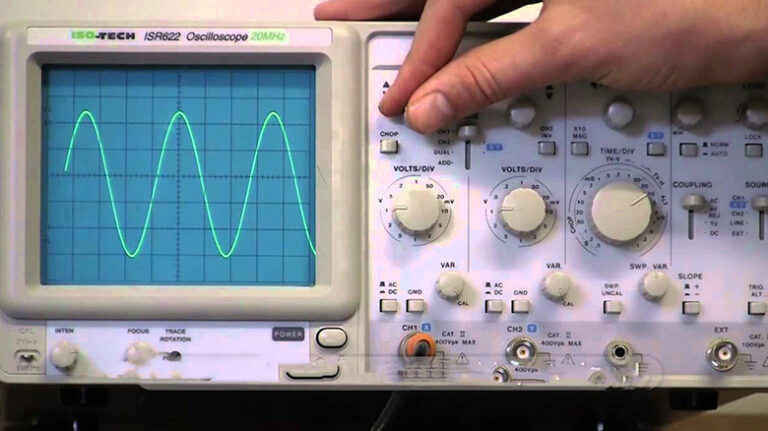
How to calculate frequency from oscilloscope: measure the period of one cycle, then use F = 1/T. Worked example, graticule method, and bench tips.