
Best Trolling Motor Picks for Power and Quiet Water
The best trolling motor in this roundup is the Newport NV-Series 55 lb Thrust Saltwater Transom Model, and it earned that spot on real water, not on a spec sheet. It pushes a mid-size boat quietly, shrugs off salt spray, and refuses to gulp a 50 Ah battery in a single afternoon of trolling. Last updated: August 2026. The other six motors landed below it because they either cost more, weigh more, or swap freshwater tuning for saltwater grit. Thrust matters. Shaft length matters more than most buyers realize. Mount style decides how the motor behaves in wind. Propeller shape decides whether weeds shred your day. I judged every motor on stealth, control, corrosion resistance, and honest battery draw across weekend outings on lakes, tidal creeks, and one very windy afternoon in a saltwater flat. Prices swing hard. Some models charge you for GPS wizardry; others charge only for pushing water.
Quick Comparison
| Pick | Best For |
|---|---|
| Newport NV-Series 55 lb $$ · $$ |
Overall value, saltwater |
| Minn Kota Terrova 55 $$$$ · $$$$ |
Freshwater GPS anglers |
| Minn Kota PowerDrive $$$$ · $$$$ |
Sonar plus GPS in one shaft |
| Newport NV-Series 62 lb $$ · $$ |
Heavier boats, budget |
| Newport NV-Series 36 lb $ · $ |
Small skiffs and dinghies |
| Minn Kota Riptide Terrova $$$$$ · $$$$$ |
Saltwater GPS anglers |
| Newport Kayak 55 lb $ · $ |
Kayaks, saltwater |
Newport NV-Series 55 lb Thrust Electric Trolling Motor

I bolted this to a 14 ft aluminum jon boat with a 50 Ah deep cycle sitting midship. The 30-inch shaft parked the prop deep enough to sidestep cavitation the moment chop stacked up against the transom. Eight speeds. Smooth trolling around 3 mph. Head stayed cool through a five-hour afternoon.
Pros
- Quiet enough for stealth trolling; fish did not spook near the transom.
- Built-in 50 A breaker and 5-LED battery meter cut guesswork on remaining charge.
- Adjustable tiller locks tight; no drift under load.
Cons
- Battery is not included; you need a separate 12 V deep-cycle rig.
- Top speed sits around 4 mph, which is fine for trolling but slow for repositioning.
Minn Kota Terrova Bow-Mount Electric Trolling Motor

Freshwater angler? Lean on GPS? This is the motor. The 54-inch shaft reached deep-water structure on a reservoir where the thermocline hovered near twenty feet, and Spot-Lock pinned my boat inside a five-foot radius while I retied a leader in a stiff crosswind. Weedless Wedge 2 prop chewed hydrilla without a hiccup.
Pros
- Spot-Lock, jog, follow, and dodge modes handle current and wind hands-free.
- One-Touch Deploy and Stow lever drops the motor cleanly in one motion.
- Digital Maximizer stretches battery life across long fishing days.
Cons
- Freshwater only; salt spray voids the warranty over time.
- The 54-inch shaft is too tall for very low-profile hulls.
Minn Kota PowerDrive Bow-Mount Trolling Motor

The PowerDrive tucks a Dual Spectrum CHIRP sonar transducer inside the shaft, letting you skip a second ducer mount and clean up the transom. I liked the Bluetooth micro remote. It slid under a rain jacket without a button hunt. Seventy pounds of thrust yanked a heavier bass boat off submerged brush faster than I expected.
Pros
- Integrated Dual Spectrum CHIRP sonar removes a separate mount.
- Deploy-Assist lever handles the weight for older backs.
- Bluetooth remote pairs quickly and stays connected in wet weather.
Cons
- Freshwater only, same limit as the Terrova.
- The all-in-one design means one failure can knock out both trolling and sonar.
Newport NV-Series 62 lb Thrust Trolling Motor
Same Newport bones as my top pick. More shove. The 3-blade prop paired with a 36-inch shaft nudged a loaded 16 ft skiff to roughly 4.25 mph in glass-calm water without any hint of prop wobble at cruising throttle. I ran the recommended 60 A breaker and never tripped it. Sweet spot for folks between kayak-scale rigs and dedicated bass boats.
Pros
- 62 lb thrust handles two adults and gear without straining.
- LED battery meter and 60 A breaker give real-time status.
- Fully adjustable mount locks angle, height, and direction.
Cons
- Heavier head than the 55 lb model; noticeable when stowing.
- Requires a 50 Ah battery minimum for full runtime.
Newport NV-Series 36 lb Saltwater Trolling Motor
Small aluminum. Inflatables. Canoes. Thirty-six pounds of thrust is plenty, and gentler draw is a straight-up win when you paddle out with a modest battery. Peak amperage sits at 29 A, so a compact 40 Ah pack keeps the propeller turning for most of a fishing day without a swap. The 2-blade prop shed weeds without me stopping to yank them off. Compare mount options with our take on the best canoe motor mounts before you drill anything.
Pros
- Low draw pairs well with small, portable batteries.
- 2-blade prop cuts weeds without frequent stops.
- Quiet at all speeds; wildlife stayed put nearby.
Cons
- Not enough thrust for boats over 14 ft with two adults.
- Tops out near 3 mph, so a strong current will overpower it.
Minn Kota Riptide Terrova Bow-Mount Trolling Motor

The saltwater sibling of the Terrova. Same brain, tougher skin. The lower unit is grit-blasted, aluminum-coated, and finished with a powder coat that shrugs off a season of tidal spray without pitting or bubbling. Precision GPS anchored me in a five-foot radius against a moving tide while I worked a submerged rock ledge. Steep price. Nothing else in this list holds a boat this cleanly in salt.
Pros
- Marine Corrosion Protection actually survives repeat saltwater use.
- Precision GPS with drift, follow, and dodge modes adapts to current.
- Wireless remote with programmable One-Boat Network buttons.
Cons
- Highest price in this roundup by a wide margin.
- The learning curve on GPS modes takes a couple of trips.
Newport Kayak Series 55 lb Electric Trolling Motor
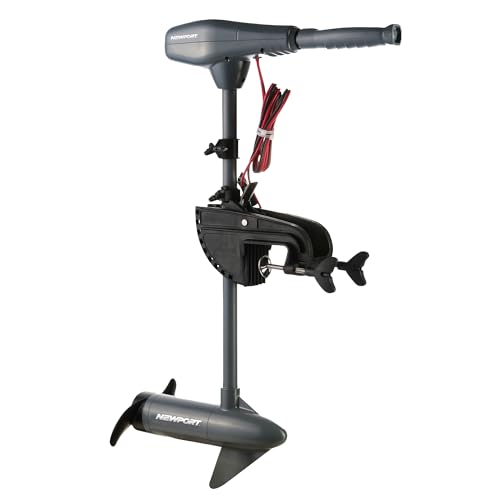
Sized for kayaks, but the 55 lb thrust punches above the class. The 24-inch fiberglass shaft lets you tune depth on the fly, which matters when a kayak trims bow-heavy after you load a cooler, tackle box, and paddle up front. Long cables help. The 5.5 ft leads let me stash the battery mid-hull for balance. If you also run a stereo, our list of the best marine amplifier 4 channel picks pairs cleanly with this setup.
Pros
- Long battery cables enable proper weight balancing on a kayak.
- Saltwater-rated hardware handles spray and light salt use.
- 8-speed control fine-tunes thrust in wind or chop.
Cons
- Lead-acid battery adds weight to a light hull.
- Overkill for very small kayaks under 10 ft.
How to Choose the Best Trolling Motor
- Thrust vs. boat weight. A rough rule: 2 lb of thrust for every 100 lb of fully loaded boat. Under-spec and you fight wind; over-spec and you drain the battery.
- Shaft length. The prop should sit at least 12 inches under the waterline. Short kayaks want a 24 to 30-inch shaft; bass boats need 45 inches or more.
- Mount style. Transom is cheaper and simpler. Bow-mount steers straighter and pairs with GPS holds.
- Water type. Salt kills freshwater motors within a season. If you touch salt, buy a salt-rated model.
- Battery draw. Check the max amp draw and match it to a deep-cycle battery with 3 to 5 times the amp-hour rating for a full day.
- Control feel. Foot pedal, tiller, or wireless remote. If you cast one-handed, remote wins. If you drift and correct, tiller is fine.
For the compliance framing on affiliate reviews, the FTC endorsement guide is the shortest read that matters.
Frequently Asked Questions
What thrust rating do I need for a 14 ft aluminum boat?
Fifty-five pounds. That is the sweet spot for a 14 ft aluminum carrying two adults and gear across a lake with moderate chop. It shrugs off wind without pinning the throttle. Anything smaller flounders once whitecaps roll in.
Is lithium worth the extra cost over lead-acid?
Yes, on long days. A lithium pack drives a trolling motor two to three times longer than the same amp-hour lead-acid rig, and it weighs about a third as much on the hull. Upfront cost stings. Weight savings alone justify the swap on a kayak.
Can I run a freshwater motor in saltwater once in a while?
Not without a thorough rinse every single time. Salt gnaws through the head, prop shaft, and mounting hardware faster than any warranty covers. Touching salt more than twice per season? Skip the repair bills and buy a saltwater-rated motor from the start.
How do I keep the propeller from stalling in weeds?
Grab a 2-blade or weedless prop and ease off the throttle before you plow into vegetation. Powering hard into weeds wraps them tighter and burns amps. Reverse for two seconds to clear a wrap.
Do I need GPS Spot-Lock features?
Only if you fish vertical structure. Spot-Lock rescues time when wind shoves you off a wreck or a rockpile mid-cast. Open-water trolling? A plain tiller does the same job for a quarter of the price.
How long should a trolling motor last?
A well-rinsed, corrosion-protected motor runs 8 to 10 years of weekend use before the electrics really start acting up. The two most common failures are corroded terminals and a worn prop bearing, both cheap fixes if you catch them early.
Related Reading
Bottom Line
My top pick stays the Newport NV-Series 55 lb; it is the honest all-rounder that does not shake a wallet. If you fish freshwater and want GPS to do the boat-holding, the Minn Kota Terrova is the runner-up worth the upgrade.
Affiliate disclosure: As an Amazon Associate we earn from qualifying purchases at no extra cost to you. Prices and availability are accurate at the time of publication.